
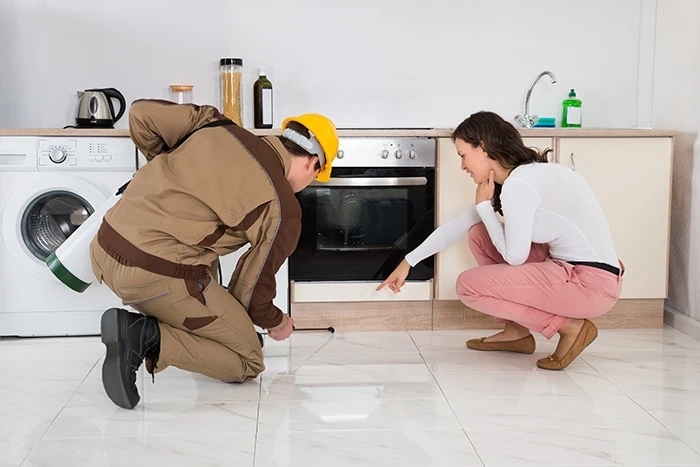
Dealing with pests in and around one’s home can be a challenging task, but with the right approach, individuals can effectively control and manage these unwelcome visitors. A common and practical method is using sprays pest control. This step-by-step guide can help them use spray pest control effectively, ensuring the safety of their family, pets, and the environment while achieving the desired results.
Step 1: Identifying the Pest
The first step in effective pest control is identifying the pest at hand. Different pests require different treatments, so it’s crucial to determine the type of pest accurately. Common pests include ants, roaches, spiders, and mosquitoes. Identifying the pest will guide the choice of the appropriate pest control spray.
Step 2: Choosing the Right Pest Control Spray
Selecting the right pest control spray is critical for successful treatment. There are various types of sprays available, such as insecticides, herbicides, and fungicides, each designed for specific purposes. For indoor pests like ants and roaches, opt for an insecticide spray. When dealing with outdoor pests or garden issues, choose a pest control spray suitable for the specific problem.
Step 3: Reading the Label and Safety Precautions
Before using any pest control spray, individuals should carefully read the product label and instructions. They should pay attention to safety precautions, such as wearing protective clothing, gloves, and a mask if necessary. Taking note of any warnings about children, pets, or sensitive areas is crucial to preventing accidents and ensuring safe application.
Step 4: Preparing the Area
To prepare the area for treatment, individuals should remove or cover any food, dishes, or utensils in the kitchen. They should clear the space of children, pets, and people who might be sensitive to the spray. For indoor use, plants and valuable items should be covered or moved. When using spray pest control outdoors, choosing a dry, windless day is essential to avoid drift, which can harm non-target plants.
Step 5: Applying the Spray Correctly
Proper application is essential for effective pest control. When using an insecticide spray, individuals should target areas where pests are likely to hide or travel, such as cracks, crevices, and entry points. They should apply a light, even mist, to the surfaces where pests have been spotted. Spraying the home’s perimeter, including windows and door frames, is recommended for outdoor use.
Step 6: Exercising Caution Indoors
When using sprays pest control indoors, individuals should exercise caution. Opening windows and doors to allow ventilation is essential, and keeping children and pets away from treated areas is important. Oversaturating surfaces should be avoided, as this can be counterproductive and may expose individuals to unnecessary chemicals. If someone has asthma or allergies, wearing a mask or leaving the area after applying the spray to avoid inhaling fumes is advisable.
Step 7: Observing Safety Measures Outdoors
When using pest control spray outdoors, being mindful of environmental safety is crucial. Individuals should avoid spraying on windy days, as drift can carry the spray to non-target areas, harming beneficial insects, plants, or water sources. Spraying near storm drains or bodies of water should also be avoided, as the chemicals can adversely affect aquatic life.
Step 8: Monitoring and Reapplying as Needed
Pest control is ongoing. After applying the spray, individuals should monitor the treated areas for any signs of re-infestation. If pests persist or return, reapplying the spray as directed on the product label is important. Patience is key, as the spray may take some time to fully eliminate the problem. Consistency in reapplication is essential for maintaining a pest-free environment.
Step 9: Storage and Disposal
After using the pest control spray, it should be stored safely, away from the reach of children and pets. Ensuring the container is tightly sealed to prevent leakage is crucial. When it’s time to dispose of an empty or unused container, following the disposal instructions on the label is recommended.
Step 10: Seeking Professional Help
If a pest problem persists or becomes overwhelming, it may be best to consult with a pest control professional. They have the expertise to identify and effectively treat pest issues. Professionals use approved and regulated chemicals, reducing risks and ensuring the safety of the family and the environment.
Conclusion
Using sprays for pest control effectively requires careful consideration, safety measures, and attention to detail. Identifying the pest, selecting the right spray, and following the product’s label instructions are essential steps in achieving successful pest control while ensuring the safety of one’s home and the environment.

