
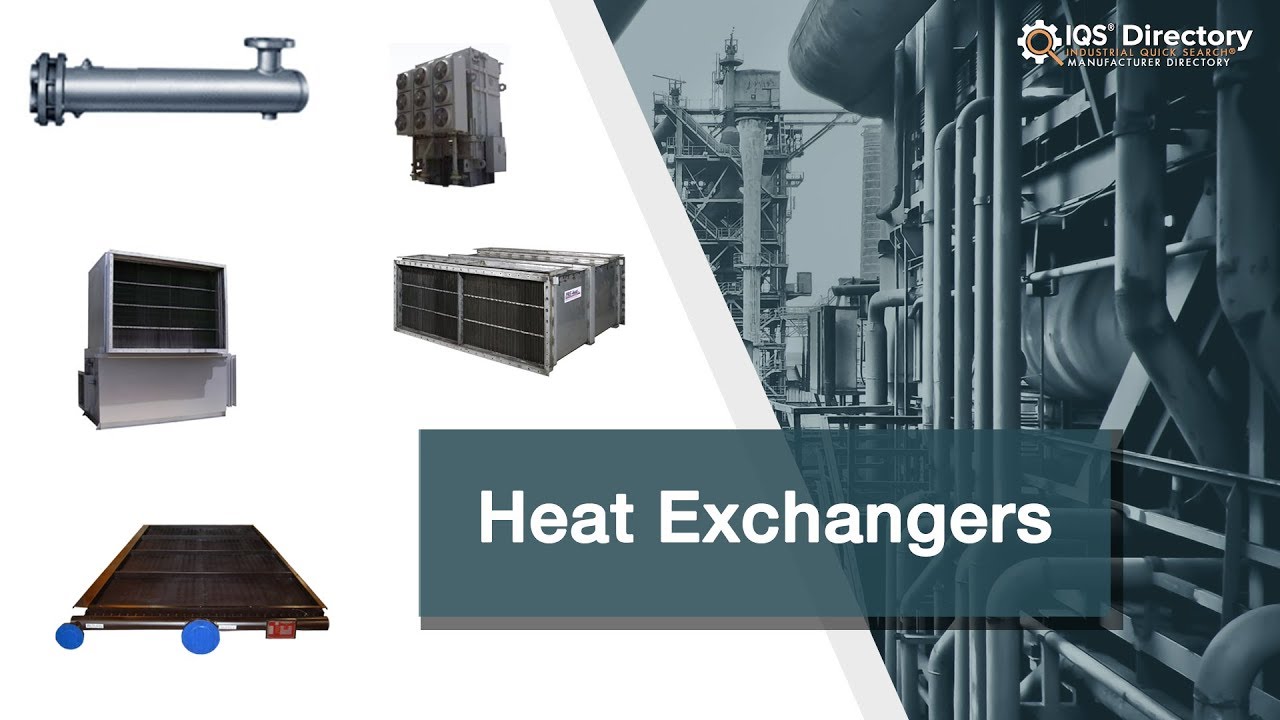
Microchannel heat exchangers (MCHEs) are revolutionizing industries that rely on efficient thermal management, from HVAC systems to automotive and industrial applications. With their compact design, superior heat transfer capabilities, and reduced refrigerant usage, MCHEs offer a range of benefits over traditional heat exchangers. However, despite their advantages, integrating microchannel heat exchangers into legacy systems presents a unique set of challenges. Understanding these challenges is key to ensuring a smooth transition and reaping the full benefits of this advanced technology.
Compatibility with Existing Infrastructure
One of the primary challenges when integrating microchannel heat exchangers into older systems is ensuring compatibility with the existing infrastructure. Legacy systems are often designed around traditional heat exchangers, which may have different dimensions, mounting requirements, and operating characteristics than microchannel units. Retrofitting a new microchannel condenser into an older system may require significant modifications to the existing setup, including adjustments to the piping, fittings, and mounting brackets.
In some cases, the differences in size and configuration between traditional and microchannel heat exchangers can lead to space constraints, making it difficult to fit the new component into the existing system without compromising other equipment or processes. This can be especially challenging in older buildings or facilities where space is limited and redesigning the layout is not a practical option.
To overcome this challenge, careful planning and a thorough assessment of the existing system are essential. Engineers must evaluate whether the infrastructure can support the new heat exchanger and identify any modifications that need to be made to accommodate it. This may involve reinforcing mounting points, rerouting pipes, or even upgrading other components of the system to ensure compatibility.
Refrigerant Compatibility and System Rebalancing
Another significant challenge when integrating microchannel heat exchangers into legacy systems is managing refrigerant compatibility. Microchannel heat exchangers are often designed to use lower volumes of refrigerant, which can reduce both the environmental impact and operational costs. However, older systems may use refrigerants that are incompatible with the latest microchannel technology, particularly if the system was designed for higher refrigerant volumes or older refrigerants with higher global warming potential (GWP).
In such cases, the transition to a microchannel heat exchanger may require a switch to a more modern refrigerant with a lower GWP, which could involve retrofitting or reconfiguring other parts of the system to ensure proper function. Additionally, the refrigerant charge may need to be adjusted to match the optimized capacity of the microchannel condenser. This process of rebalancing the system can be complex and requires expertise to ensure that the system continues to operate efficiently and safely after the upgrade.
Managing Pressure Drops and Flow Rates
Microchannel heat exchangers operate differently from traditional heat exchangers when it comes to fluid dynamics. The smaller channels and tighter tolerances in microchannel designs can result in different pressure drops and flow characteristics compared to older systems. Legacy systems may not be designed to handle the same levels of pressure drop or flow resistance, which can create operational challenges when attempting to integrate a microchannel heat exchanger.
These differences can lead to issues such as reduced performance, higher energy consumption, or even system failures if not properly managed. Engineers must carefully analyze the flow rates and pressure dynamics of the entire system to ensure that the new microchannel condenser will work effectively within the existing setup. This may involve making adjustments to pumps, valves, or other components to accommodate the new heat exchanger’s operational requirements.
Training and Knowledge Gaps
Integrating advanced microchannel heat exchangers into legacy systems also introduces the challenge of training and knowledge gaps among the personnel responsible for system maintenance and operation. Technicians who are accustomed to working with traditional heat exchangers may not be familiar with the specific requirements and best practices associated with microchannel technology.
This knowledge gap can lead to improper installation, maintenance issues, or even damage to the new heat exchanger if the correct procedures are not followed. To address this challenge, companies must invest in training and education for their technical staff to ensure that they are equipped to handle the unique demands of microchannel systems. This includes understanding the differences in materials, cleaning techniques, and performance characteristics, as well as knowing how to troubleshoot potential issues.
Cost Considerations
While microchannel heat exchangers offer long-term benefits in terms of energy efficiency and reduced refrigerant usage, the upfront cost of integration into a legacy system can be a significant challenge. The need for system modifications, refrigerant changes, and potential downtime during the transition can add to the overall expense of the upgrade.
Businesses must carefully weigh the long-term benefits of improved efficiency and lower operating costs against the initial investment required to integrate microchannel technology. In some cases, it may make more sense to phase in microchannel heat exchangers over time, rather than retrofitting an entire system at once, to manage costs more effectively.
Moving Toward the Future
Despite the challenges of integrating microchannel heat exchangers into legacy systems, the potential benefits make the effort worthwhile. With their ability to improve efficiency, reduce environmental impact, and extend system life, microchannel condensers represent a significant advancement in thermal management technology. By addressing the compatibility, refrigerant, and system balancing issues, businesses can successfully transition to this modern technology and enjoy the long-term advantages that microchannel heat exchangers bring to their operations.

